Every day, we scroll through funny memes, short videos, reels, and viral content. It often feels relatable—especially when the humor feels personal. Sometimes the content is cringe, taboo, or touches something uncomfortable within us, yet it makes us laugh because it gives a temporary release to hidden fear, anger, insecurity, or frustration.
This can appear through sarcasm, anxiety-driven humor, bullying, exaggerated masculinity, comparison with weaker people, ego-driven validation, or sexualized content.
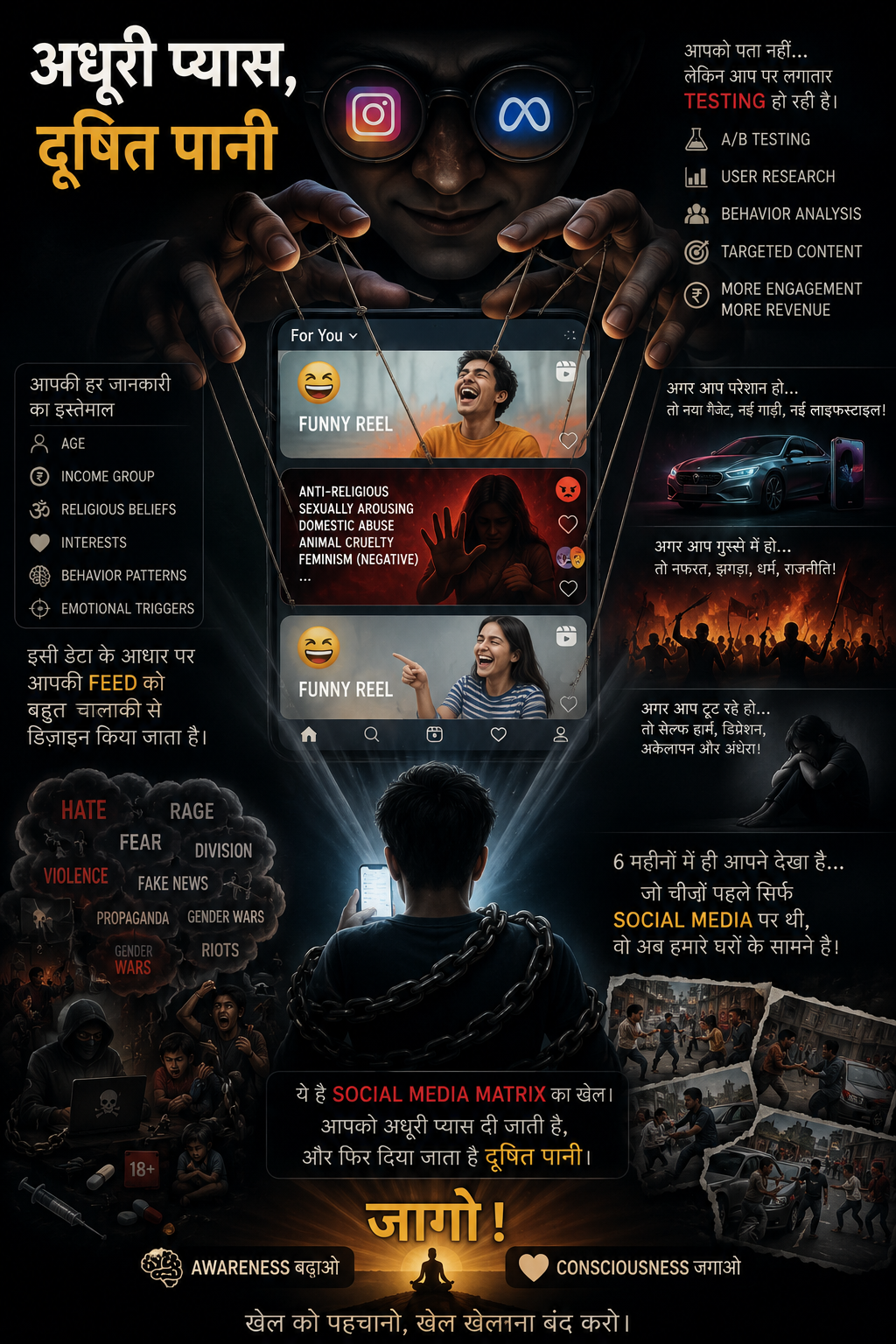
Over time, memes and short-form content have trained the mind to seek quick stimulation and instant gratification. A few seconds of content can instantly remove boredom and trigger a dopamine release, satisfying an inner emptiness with almost no effort.
For example, you may feel dull, restless, or emotionally disconnected—but one meme, one reel, or one short video can instantly change your mood. This creates a habit… and habits eventually become programming.
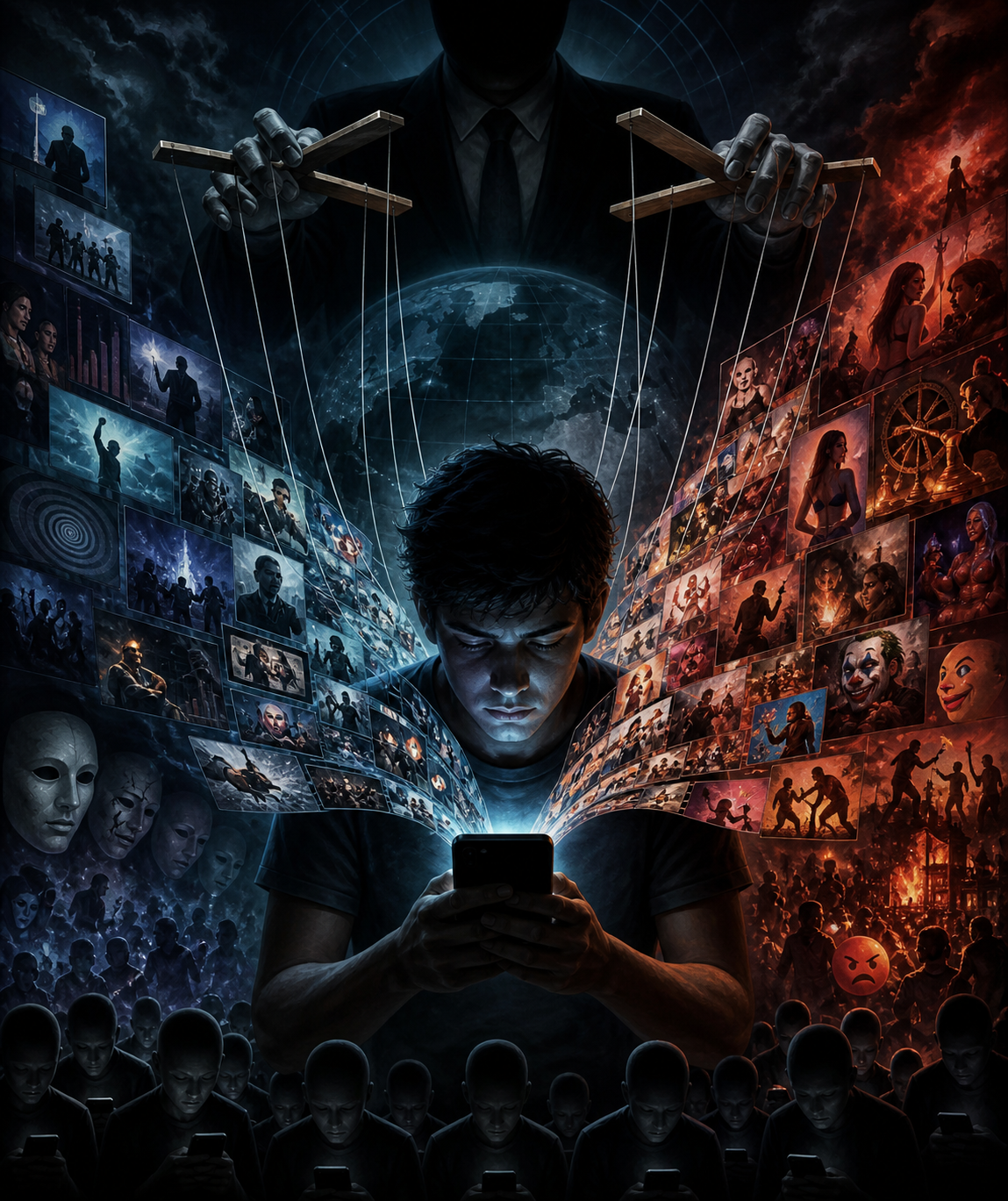
Social media platforms are slowly creating a culture of emotional desensitization.
What does that mean?
It means showing intense content—accidents, conflicts, humiliation, fear, violence, controversy—and then packaging it with humor, music, editing, or storytelling so the mind begins to normalize what once felt disturbing.
Influencers often adopt these formats as “creative trends” to gain followers, engagement, and income—without always realizing the deeper psychological impact.
This has now evolved into what can be seen as controlled opposition—content that appears entertaining, educational, or socially aware, but subtly plants emotional triggers such as fear, anger, division, or unconscious bias.
This can happen through content targeting:
Race
Political leaders
Celebrities
Activists
Nationalities
Religions
Gender roles
Social classes
The content may come disguised as:
Humor
Education
Justice
News
Spirituality
Social commentary
Motivation
But underneath, it can normalize:
Sexual exploitation
Child abuse references
Violence against women
Extortion
Caste discrimination
Religious manipulation
Public humiliation
Fight culture
Gender wars
Dark and disturbing themes
The more the brain accepts emotional intensity without resistance, the more new boundaries are tested. Every click, pause, share, comment, and reaction becomes a data point—measuring what society is willing to tolerate, normalize, and eventually identify with.
As we all know, the information war is rapidly increasing. In the coming years, it may become harder to distinguish truth from manufactured truth.
That is why awareness is no longer optional—it is essential.
When we begin to see these patterns clearly, we stop feeding them with our attention, our emotions, and our energy.
And the more awareness grows… the more consciousness naturally rejects these desensitization agendas.