There's a particular kind of tired that a weekend off doesn't touch. You sleep in, you do nothing, and you go back to work on Monday feeling exactly as drained as you did on Friday. If that sounds familiar, you're not alone — and you're not imagining it.
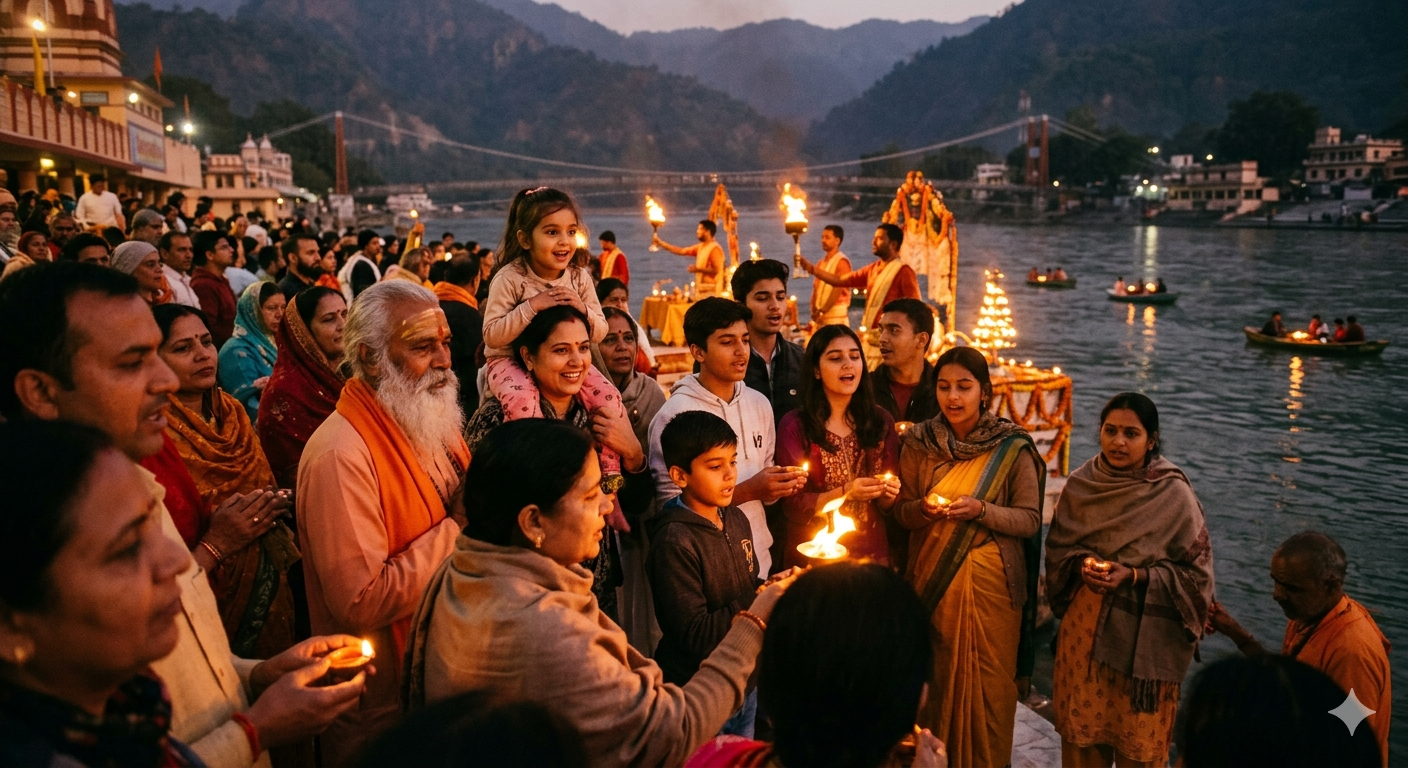
This is the specific kind of exhaustion that's pushing a growing number of millennials toward short, structured retreats in places like Rishikesh. Not as an escape from responsibility, but as a way to actually address what years of back-to-back deadlines have quietly done to your nervous system.
Why a Regular Vacation Doesn't Fix Burnout
Most vacations are designed around stimulation — new places, new food, new things to see. Burnout doesn't need more stimulation. It needs the opposite: genuine stillness, distance from decision-making, and time spent doing very little on purpose. That's a hard thing to get on a packed sightseeing trip, and it's exactly what a retreat structure is built for.
There's also a quieter pattern many professionals only notice once they're away from work: the constant, low-level feeling of needing to be reachable. A retreat strips that away deliberately, by design, so your mind actually gets the rest your body has been asking for.
What a Working Professional Actually Needs From a Retreat
Structure, Not a Blank Schedule
An empty itinerary often leads to checking email anyway. Guided sessions remove that temptation.
Permission to Do Nothing
Many professionals need explicit permission to slow down — it doesn't come naturally after years of "always on."
Tools You Can Take Home
Breathing techniques and short meditation practices that fit into a real, busy life afterward.
A Genuine Change of Environment
Distance from the desk, the inbox, and the city noise that's been quietly running in the background.
How Long Off Work Do You Actually Need?
| Time off | What it realistically achieves |
|---|---|
| Long weekend (3 days) | A reset, not full recovery — good as an introduction |
| 4–6 days | The most common sweet spot — enough time to settle, recover, and build a practice |
| 7+ days | Deeper work, useful if burnout has been building for a long time |
What This Looks Like With The Great Awakening
The Great Awakening's retreats in Rishikesh are guided personally by Izumi Sammer, the spiritual mentor who, along with founder Praveen Bhatiya, has shaped the community since it began in 2022. A large share of the nearly 5,000 members who've joined since are working professionals in their thirties and forties — people who came in exhausted and left with an actual practice, not just a nice memory.
If you're further along in your career and the exhaustion has shifted from burnout into something quieter — more like a search for meaning than just tiredness — our piece on why 40+ professionals are booking Rishikesh retreats covers that next stage.
Give Yourself a Real Reset
The Great Awakening's structured Rishikesh retreats are designed for people coming straight from demanding careers — no prior experience needed, just a willingness to slow down.
Frequently Asked Questions
Can a short retreat actually help with work burnout?
A structured retreat won't undo months of overwork in a few days, but it can interrupt the cycle by removing you from the environment that's draining you and giving you tools, like meditation and reflection practices, to carry back into daily life.
How many days off work should I take for a Rishikesh retreat?
Most working professionals find 4 to 6 days enough to properly disconnect and benefit from a structured program, including a day or two to settle in before the deeper work begins.
Will I have to give up my phone completely during the retreat?
Most retreats encourage less phone use rather than enforcing a complete ban, so you can usually stay reachable for genuine emergencies while still getting meaningful distance from work notifications.