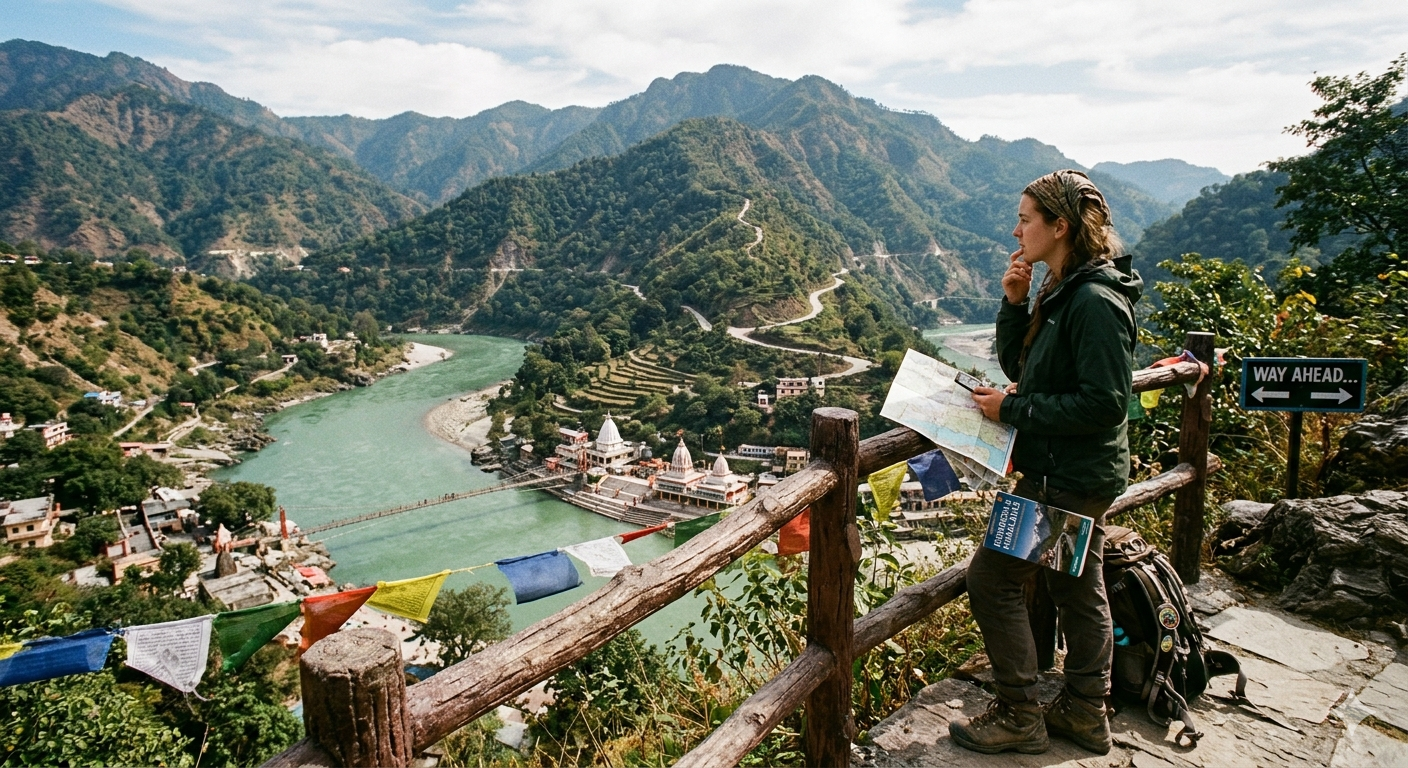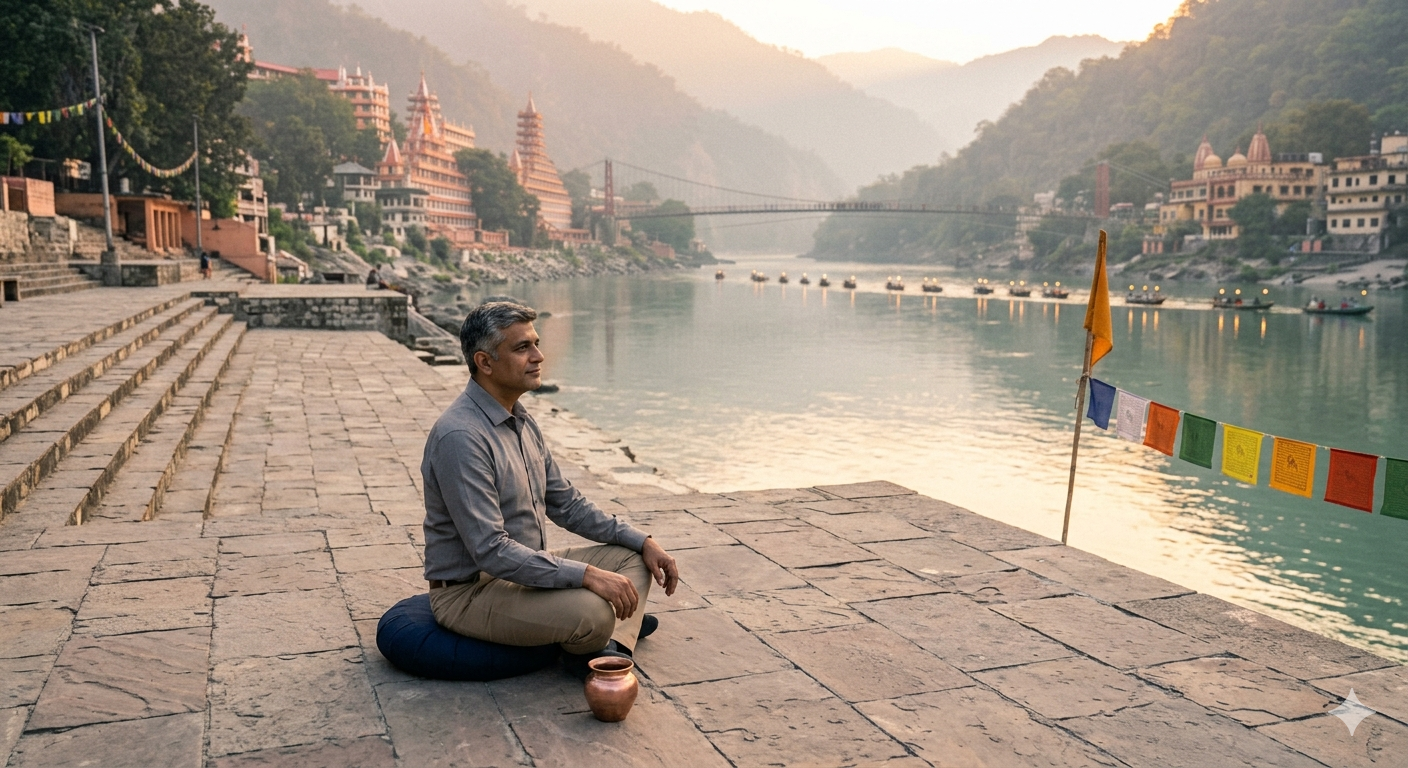
There's a specific, quiet kind of restlessness that tends to show up somewhere in your forties or fifties. It's not a crisis, exactly. You're not unhappy with what you've built. But there's a nagging sense that something hasn't been addressed — a part of life that got postponed for decades while you were busy building everything else.
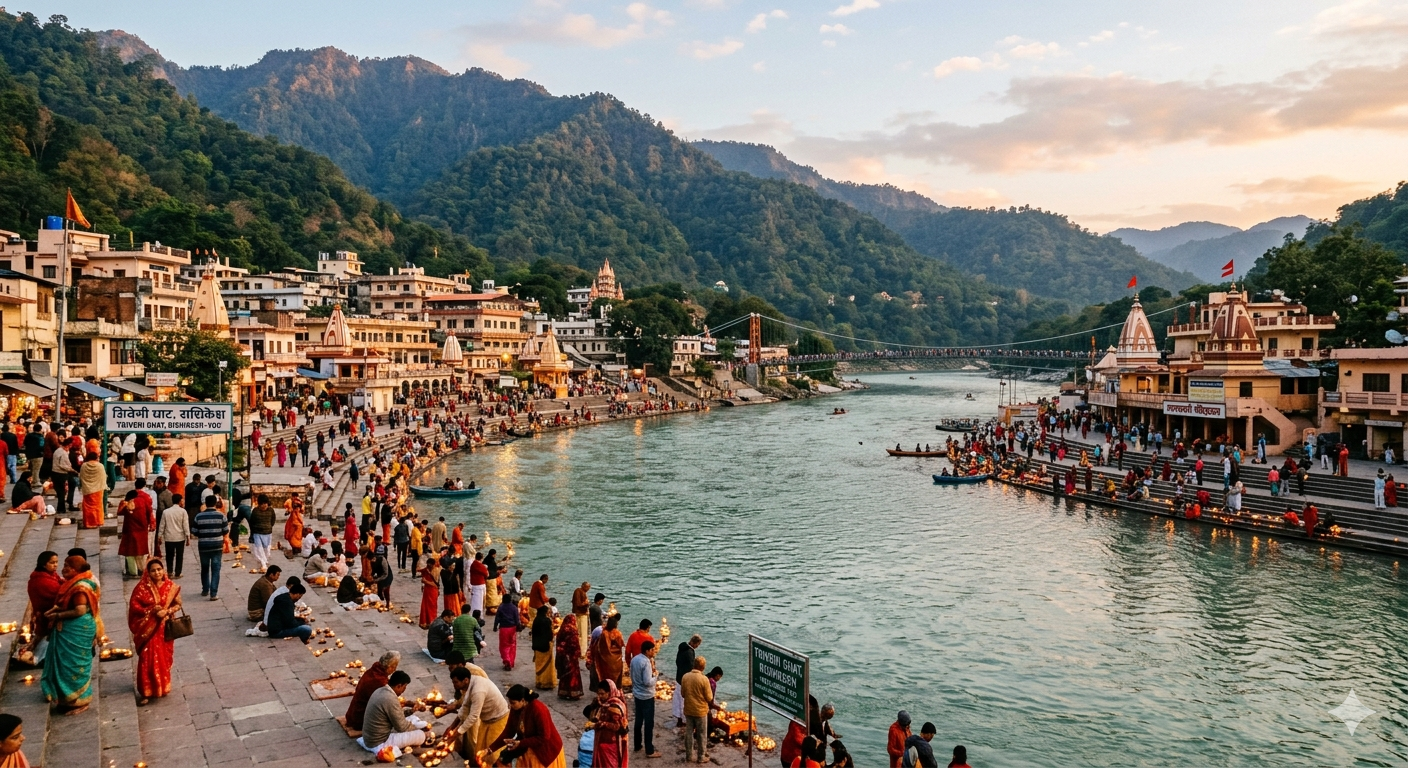
This is, increasingly, what's bringing established professionals to spiritual retreats in Rishikesh. Not escape. Not reinvention. Something closer to a long-overdue conversation with yourself.
This Isn't the Same Search as Your Twenties
A 23-year-old going on a retreat is often asking, "who am I, and what do I want?" A 48-year-old asking a similar question is usually asking something different: "I know who I am and what I've built — so why doesn't it feel complete?" The practices might overlap, but the underlying need is not the same, and most generic content about Rishikesh doesn't draw this distinction.
For many professionals at this stage, success has stopped being the question. The real question has become meaning — whether the life they've built actually reflects what matters to them, beyond the next milestone or promotion.
What This Age Group Tends to Need From a Retreat
Privacy Over Performance
Less interest in group bonding exercises, more interest in genuine, unhurried reflection.
Comfort Without Compromise
A gentler physical pace, without the experience being watered down spiritually.
Practical Tools, Not Abstract Theory
Concrete meditation and reflection practices that fit into a still-busy life afterward.
Permission to Slow Down
After decades of being the reliable one, simply being allowed to not perform for a few days.
What People in This Stage Actually Worry About
Two concerns come up most often. First: fitness — whether a retreat will involve physically demanding activity they're not prepared for. Most programs are built around meditation, reflection, and gentle movement, not strenuous exercise, so this is rarely a real barrier. Second: feeling out of place among younger attendees. In practice, retreat groups span a wide age range, and the conversations that matter most tend to cross those lines easily.
A Community That Has Grown Alongside This Need
The Great Awakening, founded by Praveen Bhatiya in 2022 under the guidance of his mentor Izumi Sammer, has grown into a community of nearly 5,000 people across more than fifteen countries. A significant number of them came to their first retreat in exactly this stage of life — successful, stable, and quietly searching for something a career alone couldn't give them.
If your search has more to do with recovering from sustained pressure rather than reflecting on meaning, our piece on Rishikesh retreats for burnt-out professionals may be the more relevant starting point.
An Unhurried Retreat, Built for This Stage of Life
The Great Awakening's Rishikesh retreats are guided personally by Izumi Sammer and designed to meet you exactly where you are — no pressure, no performance required.
Frequently Asked Questions
Is a spiritual retreat in Rishikesh suitable for someone in their 40s or 50s with no prior experience?
Yes. Retreats are typically designed to accommodate a wide range of physical ability and prior experience, and a meaningful number of attendees in this age group are completely new to meditation or spiritual practice.
What level of physical fitness is required for a Rishikesh retreat?
Most retreat schedules are gentle by design, focused on meditation, reflection, and light movement rather than strenuous activity, so a reasonable level of everyday fitness is generally sufficient.
How is a midlife spiritual retreat different from one aimed at younger travellers?
The core practices are often similar, but the framing tends to shift from self-discovery and identity toward meaning, legacy, and reconnecting with parts of life that got sidelined during a demanding career.